 Skip to content

Greeley, CO · Fleet Maintenance
Cut Operational Costs With Strategic Fleet Maintenance
Light- & Medium-Duty
Preventive maintenance, smarter scheduling, and real-time diagnostics are how Northern Colorado fleets cut repair spend and stop losing money to unplanned downtime.
How does preventive fleet maintenance cut operational costs?
Preventive maintenance catches minor wear before it becomes a major repair, which extends vehicle lifespan, lowers unplanned downtime, and reduces the emergency repair bills that come with reactive fixes. Paired with telematics, OBD diagnostics, and driver training, a scheduled maintenance program turns fleet upkeep into a predictable line-item instead of a surprise expense.
Reactive Repairs Cost More Than The Repair Bill
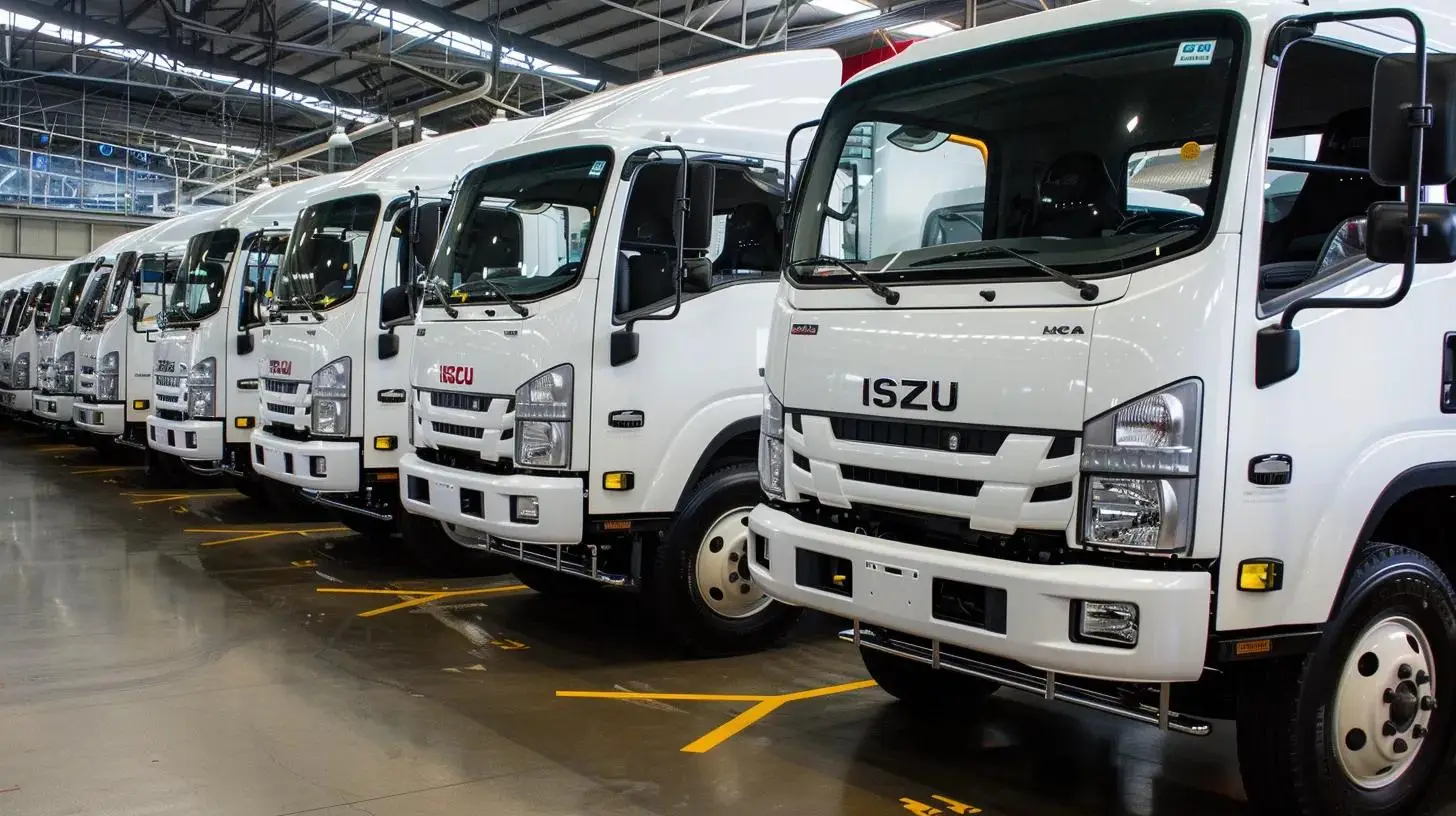
Every hour a truck sits waiting on a fix it never saw coming is an hour it's not earning. Preventive maintenance and smarter repair scheduling aren't overhead. They're how fleets keep vehicles on the road and budgets predictable.
"The fleets that call us the least for emergency repairs are the ones on a real preventive schedule: regular inspections, tracked service history, and parts replaced before they fail instead of after."
David, General Manager, Truck City Service, Greeley CO
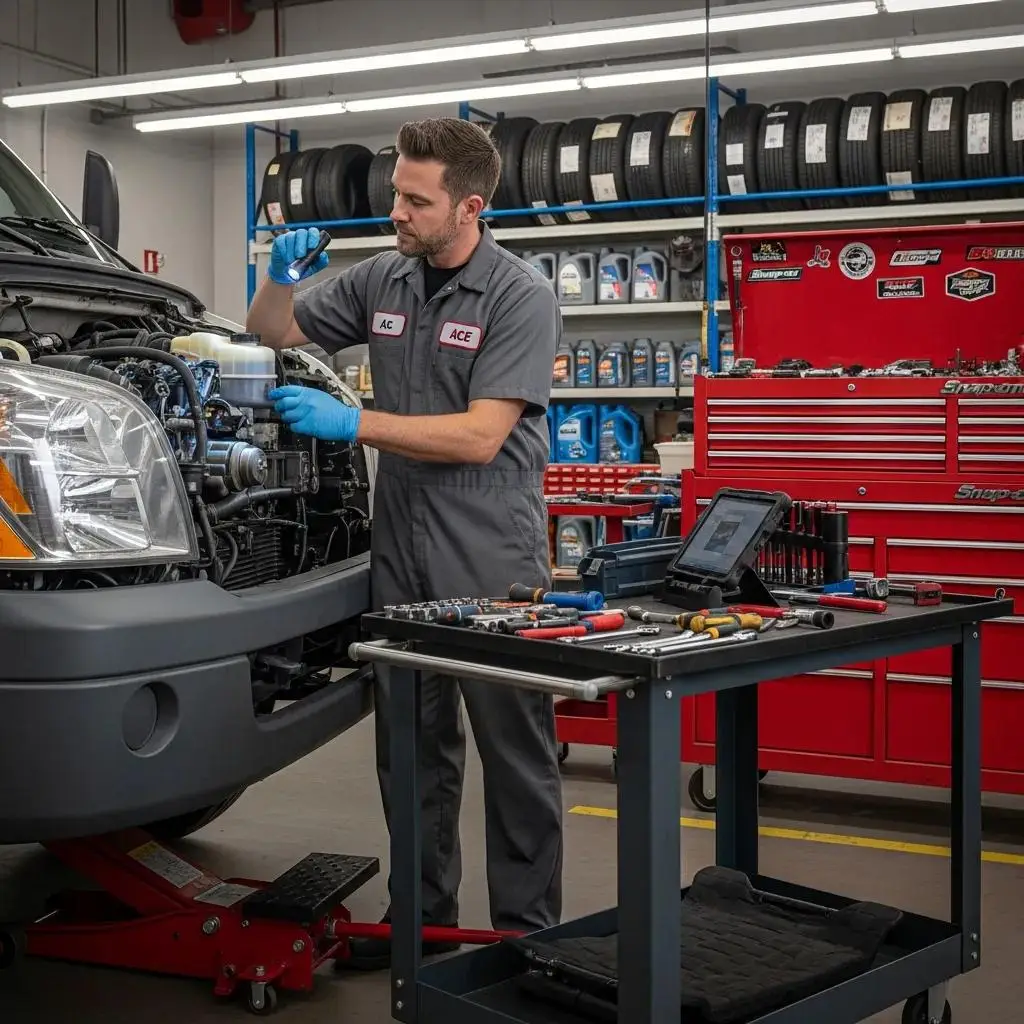
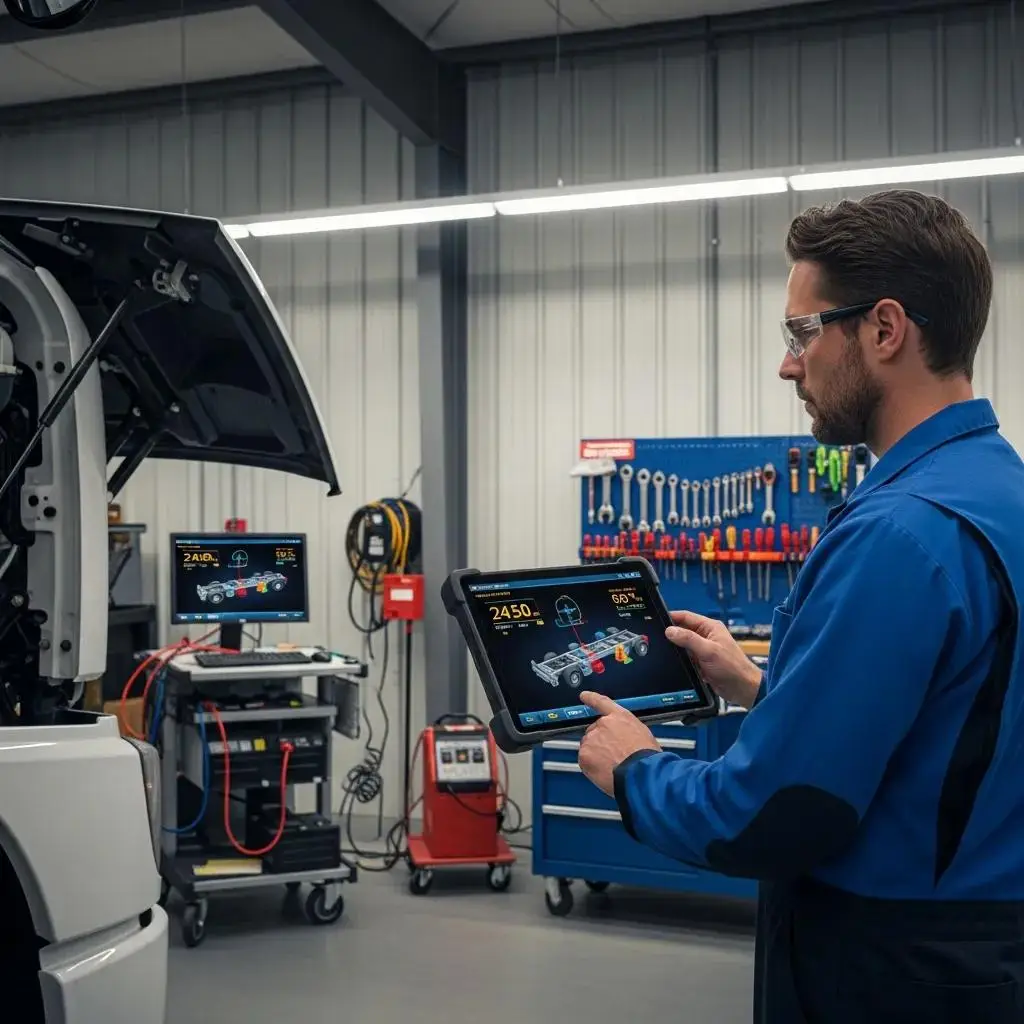
The pattern holds across every fleet we service: catching wear early through routine inspections, telematics data, and documented repair history keeps light- and medium-duty vehicles working instead of waiting.
What Scheduled Preventive Maintenance Buys You
Three benefits show up first when a fleet moves from reactive repairs to a real maintenance schedule.
Longer Vehicle Life
Timely repairs for normal wear and tear extend how long each truck stays in service before major work is needed.
Lower Repair Bills
Fixing a minor issue on a scheduled visit is almost always cheaper than the major breakdown it would have caused.
Fewer Roadside Failures
Well-maintained brakes, tires, and steering systems lower accident risk and keep drivers and cargo safer.
Diagnostic Tools That Cut Downtime
Technology doesn't replace a good technician. It tells them where to look first.
| Tool | What It Does | Why It Matters |
|---|---|---|
| Telematics | Tracks location, engine data, and operational metrics | Flags developing issues before they cause a breakdown |
| Onboard Diagnostics (OBD) | Reads engine fault codes directly | Speeds up troubleshooting and cuts diagnosis time |
| Fleet Management Software | Centralizes scheduling and repair history | Keeps maintenance on schedule instead of reactive |
| Documented Repair Records | Tracks what's been fixed and when | Informs warranty claims and future maintenance planning |
General guidance only. Our service advisors can help you match tools and schedules to your specific fleet, starting with a DOT inspection to establish a baseline.
Signs Your Fleet Maintenance Program Needs Work
- You can't pull a full repair history on a vehicle without digging.
- Maintenance only happens after something breaks.
- You don't track downtime, breakdown frequency, or repair spend.
- The same trucks keep coming back for the same issues.
- Seasonal service (battery, cooling, tires) isn't on a schedule.
- Drivers aren't trained to spot early warning signs.
What Greeley Fleets Say
"I don't normally leave reviews for anything but I felt inclined to after my experience, specifically the rep I spoke to. Matthew was great each and every time we spoke over the phone."
"We were traveling from out of town when our fuel pump on our 2017 GMC went out. We were stranded near Greeley with our two small kids in our vehicle and had to be towed into Truck City. Tammy answered our original phone call & greeted us at the tow truck as we arrived."
"Sierra did a great job and got me taken care of quickly the morning of my travel."
Common Questions
What role does technology play in fleet maintenance?
How can driver training impact fleet maintenance costs?
What are the common challenges in implementing preventive maintenance?
How can fleets measure the effectiveness of their maintenance strategy?
Why does documentation matter in fleet maintenance?
How do seasonal changes affect fleet maintenance schedules?
What's the largest vehicle you service?
Do you build maintenance schedules for fleets?
Find Us In Greeley
1415 1st Ave, Greeley, CO 80631
Phone
Hours
Mon–Fri: 7:00 AM – 6:00 PM
Sat & Sun: Closed
Service Area
Ready To Cut Your Fleet's Repair Bill?
Put your light- and medium-duty fleet on a preventive maintenance schedule and stop paying for breakdowns you could have caught early.