Skip to content


Commercial Vehicle Breakdown Costs: The Hidden Impact of Unexpected Vehicle Breakdowns on Your Business Operations Explained
Unexpected vehicle breakdowns disrupt operations and create hidden costs organizations often omit from budgets. These expenses extend beyond repair invoices to reduced profitability and impaired operational efficiency. This article examines the components of commercial vehicle breakdown costs, their operational effects, and mitigation via preventive maintenance and emergency repair services. Understanding these factors helps organizations plan for and manage the financial consequences of vehicle failures.
What Are the Key Components of Commercial Vehicle Breakdown Costs?
Commercial vehicle breakdown costs fall into several primary components. Recognizing these elements is essential for controlling expenses and minimizing operational downtime.
How Do Repair and Labor Expenses Contribute to Breakdown Costs?
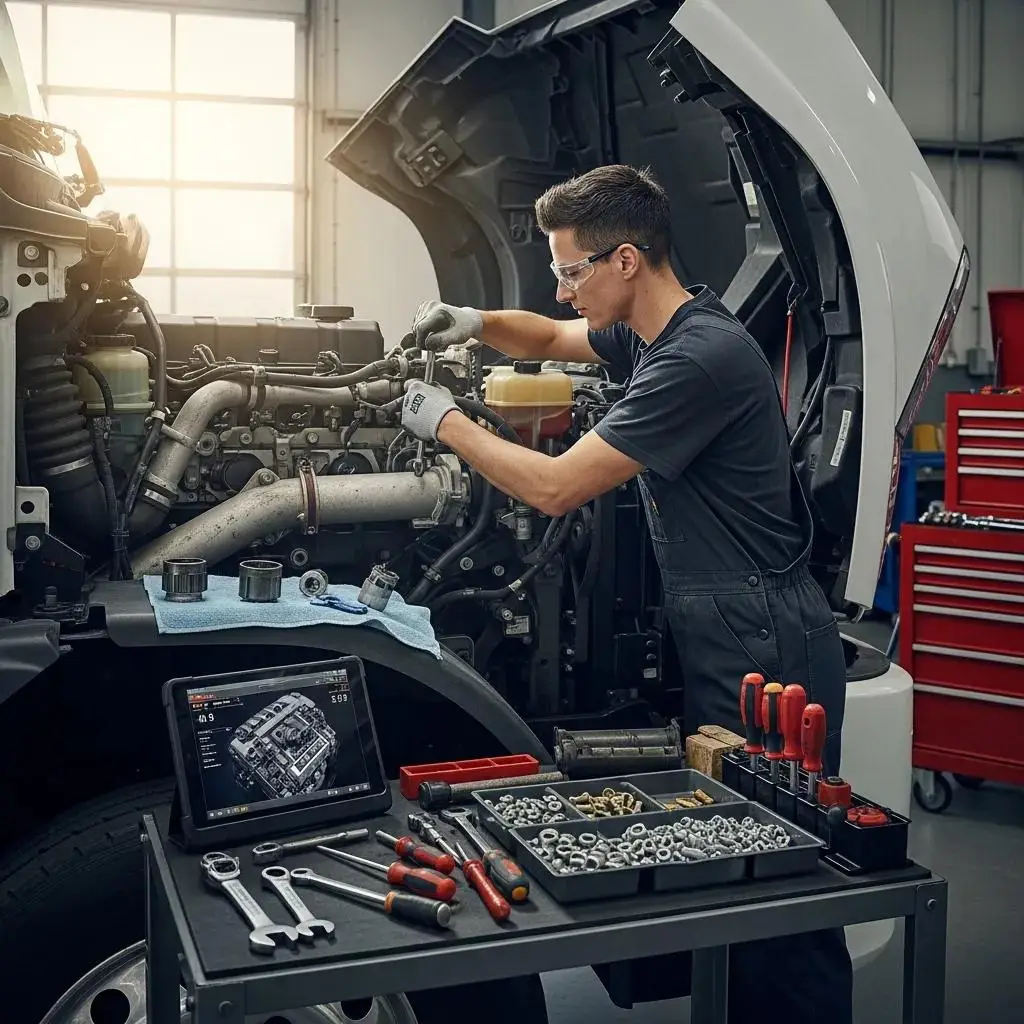
Repair and labor make up a substantial portion of breakdown costs. Charges vary by fault severity—from a few hundred dollars for simple fixes to several thousand for complex failures—and hourly technician rates raise totals during prolonged repairs. Businesses should account for both parts and labor when assessing the full financial impact of a breakdown.
What Is the Financial Impact of Fleet Vehicle Downtime?
Fleet vehicle downtime produces measurable losses. Research indicates companies lose significant revenue for every hour a vehicle is out of service. A nonoperational truck prevents deliveries, reduces sales, and increases the risk of customer dissatisfaction that can harm loyalty and brand reputation. Prolonged inoperability raises costs because insurance and maintenance continue without corresponding revenue. Quantifying downtime’s financial impact is therefore critical for effective fleet management.
Effective fleet management materially reduces financial losses and improves customer satisfaction, as recent research demonstrates.
Fleet Management: Reducing Downtime & Costs
The study found that effective fleet management increases vehicle availability, reduces downtime, and improves cost efficiency, thereby raising customer satisfaction and loyalty. It highlights technology-driven solutions—such as GPS tracking, digital maintenance logs, and performance monitoring—as tools to optimize operations. Source: The Impact of Fleet Management on Vehicle Leasing and Customer Satisfaction: A Case Study of ICS Outsourcing Nigeria Limited., EE Ege, 2025
How Do Unexpected Truck Breakdowns Affect Business Operations and Profitability?
Unexpected truck breakdowns disrupt operations and create downstream effects on profitability and customer satisfaction.
In What Ways Does Fleet Downtime Disrupt Delivery Schedules?
Fleet downtime disrupts delivery schedules and creates delays that ripple through the supply chain. A broken delivery truck delays shipments and can cascade into subsequent schedule problems, producing order backlogs. These disruptions strain client relationships that depend on timely deliveries and can result in lost contracts or reduced future business. Organizations must maintain fleet reliability to meet delivery commitments consistently.
To maintain fleet readiness, schedule regular
service
.
What Are the Broader Business Losses From Vehicle Breakdowns?
Broader losses include reputational harm in addition to direct financial costs. Repeated delays cause customers to perceive unreliability, reduce retention, and motivate clients to seek alternative providers. Organizations should incorporate these long-term losses into operational risk assessments and decision-making.
Which Preventive Maintenance and Emergency Repair Services Reduce Unexpected Breakdown Costs?
A structured preventive maintenance program combined with reliable emergency repair services reduces the costs associated with unexpected vehicle breakdowns.
How Does Preventive Maintenance Minimize Fleet Vehicle Downtime Expenses?
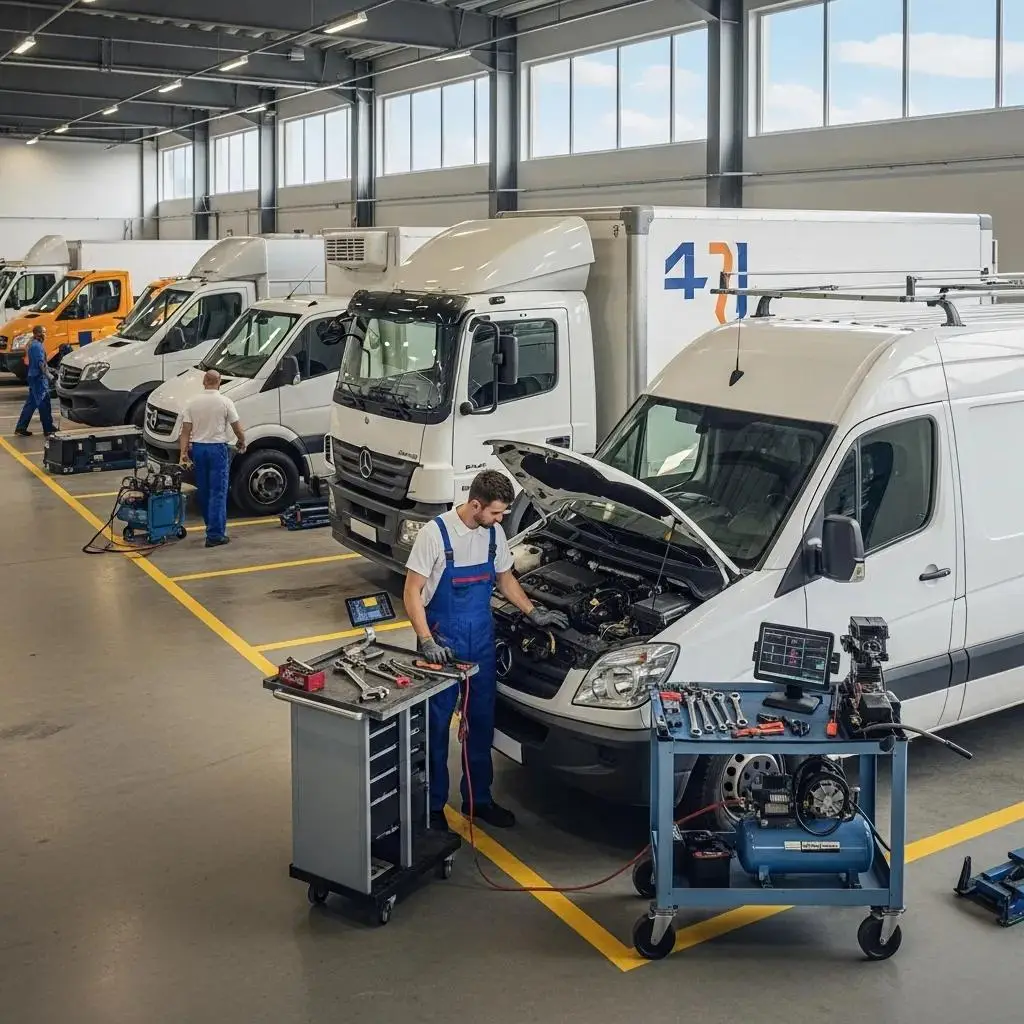
Preventive maintenance identifies and addresses faults before they escalate. Regular inspections detect minor issues early and prevent expensive repairs. Routine oil changes, tire rotations, and brake inspections extend service life and lower the probability of unexpected failures. Investing in preventive maintenance decreases downtime and improves fleet reliability.
For reliable
truck repairs
, schedule regular maintenance.
What Is the Process for Scheduling Emergency Truck Repairs Efficiently?
When a breakdown occurs, a streamlined process for scheduling emergency repairs is essential. Establish relationships with dependable commercial vehicle repair providers, such as
Truck City Service
, which services medium-duty, heavy-duty, and big rig trucks. Efficient scheduling requires rapid communication and defined protocols for assessing vehicle condition and specifying necessary repairs. Prioritizing response times and clear communication reduces downtime and restores vehicles to service more quickly.
Frequently Asked Questions
What are the long-term effects of vehicle breakdowns on customer relationships?
Vehicle breakdowns produce lasting effects on customer relationships through delayed service delivery. Repeated delays erode trust, jeopardize contracts, and reduce customer loyalty, which cumulatively damage brand reputation. To mitigate these outcomes, organizations should prioritize fleet reliability and maintain proactive communication with clients about service disruptions.
How can technology help in managing breakdown costs?
Technology reduces breakdown costs by improving fleet management accuracy and responsiveness. GPS tracking, telematics, and digital maintenance logs provide real-time performance data to identify emerging issues before they cause failures. These systems enable proactive maintenance and streamline coordination with repair providers, improving response times and minimizing downtime.
What should businesses consider when choosing a repair service?
When selecting a repair service, evaluate the provider’s experience with relevant vehicle classes, emergency service availability, and verified customer feedback. Assess response times and the scope of services, including preventive maintenance and emergency repairs. Long-term partnerships with reliable providers yield improved pricing, faster service, and higher vehicle uptime.
How can businesses calculate the total cost of vehicle downtime?
To calculate total downtime cost, include direct losses such as missed delivery revenue and ongoing expenses like insurance and maintenance. Also quantify indirect costs, including reputational harm and reduced customer retention. Estimating average revenue per operating hour and multiplying by total downtime hours provides a practical baseline for financial impact.
What role does driver training play in preventing breakdowns?
Driver training is essential to prevent vehicle breakdowns, as trained operators recognize early mechanical indicators and follow proper operating procedures. Training should cover routine inspections, correct vehicle handling, and maintenance reporting. A safety-focused driver culture improves vehicle care and reduces maintenance expenditures.
Are there specific maintenance schedules recommended for commercial vehicles?
Commercial vehicles require maintenance schedules based on manufacturer guidance and operational usage. Common tasks include oil changes, tire rotations, brake inspections, and fluid checks. Develop a tailored maintenance plan that accounts for vehicle age, mileage, and operating conditions. Adherence to such schedules prevents unexpected breakdowns and extends fleet service life, lowering long-term costs.
Conclusion
Understanding the hidden costs of commercial vehicle breakdowns is necessary to maintain operational efficiency and profitability. Implementing preventive maintenance and establishing dependable repair services reduces downtime and associated expenses. This proactive approach protects revenue streams and strengthens customer satisfaction and loyalty. To optimize fleet management, consider engaging our specialist services.