Skip to content

Maximizing Fleet Maintenance Cost Savings: Strategic Practices to Cut Operational Costs and Reduce Truck Downtime
Fleet management requires tight operational efficiency. This article summarizes maintenance practices that cut operating expenses and reduce truck downtime. Preventive maintenance and smarter scheduling extend vehicle life and improve fleet performance. Below are benefits, scheduling tactics, practical tips, and case-study evidence of measurable results.
How Does Preventive Fleet Maintenance Reduce Operational Costs?
Preventive maintenance—regular inspections and servicing—reduces breakdowns and costly repairs. A structured schedule helps spot issues early, extends vehicle life, improves safety and reliability, and can reduce insurance and fuel costs over time.
Research also highlights that blending maintenance strategies with advanced optimization techniques delivers notable cost cuts and less downtime.
Fleet Maintenance Strategies: Minimize Downtime & Reduce Costs
This study outlines the main maintenance strategies—preventive, predictive, reactive, and proactive—and explains their benefits and limits. It also examines advanced optimization methods like condition-based monitoring, reliability-centred maintenance, and the use of artificial intelligence for predictive analysis. When these strategies are combined with modern optimization tools, organisations can reduce downtime, lower costs, and improve overall system productivity and longevity.
Maintenance strategies and optimization techniques, M Yazdi, 2024
What Are the Key Benefits of Scheduled Preventive Maintenance?
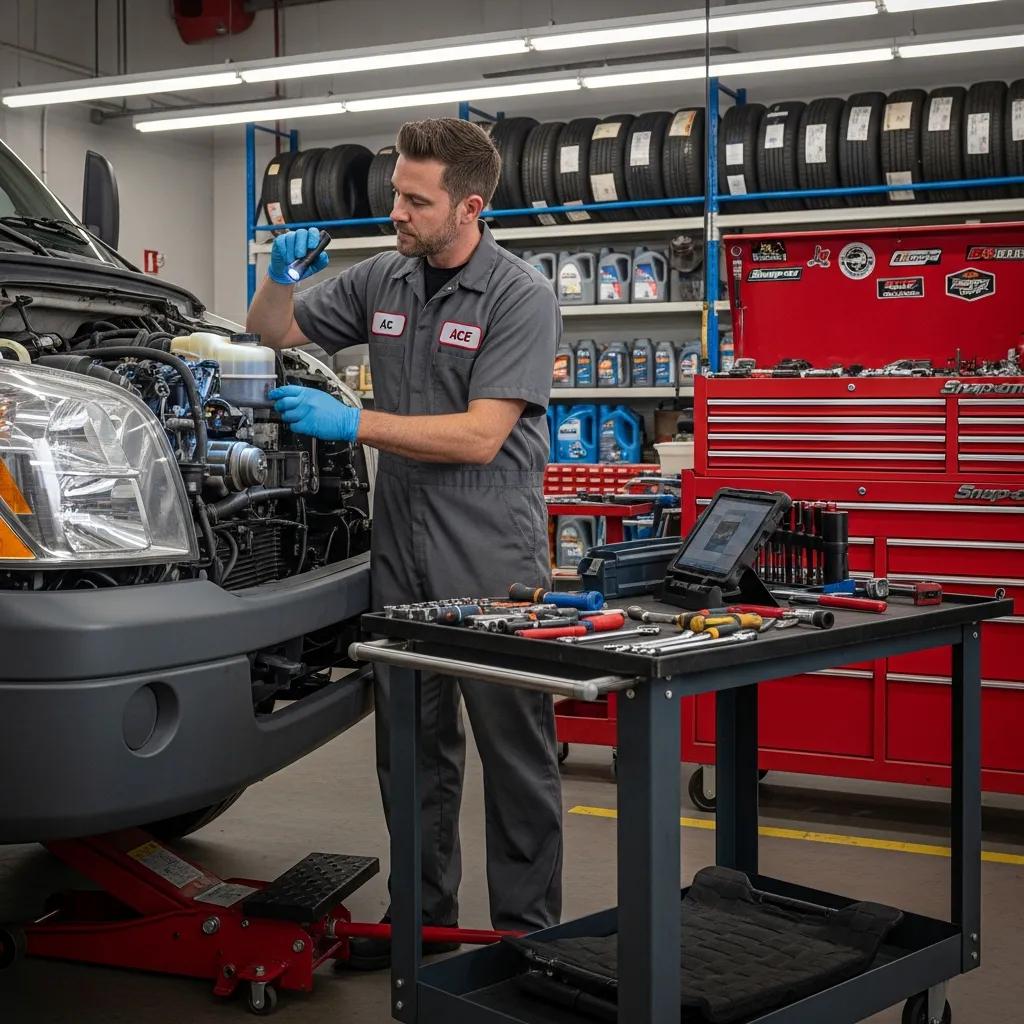
Scheduled preventive maintenance delivers clear, cost-related benefits:
- Increased Vehicle Lifespan: Timely repairs for wear and tear extend a vehicle’s service life.
- Reduced Repair Costs: Fixing minor issues early prevents major, expensive breakdowns.
- Improved Safety: Well-maintained vehicles lower accident risk and improve driver safety.
Preventive maintenance should be central to your fleet strategy. For implementation support, Truck City Service offers scheduling options for varied fleet needs, specializing in light and medium duty trucks, especially Isuzu medium duty models.
What Are Effective Fleet Repair Scheduling Strategies to Minimize Downtime?
Strategic scheduling cuts downtime by planning repairs during off-peak hours or vehicle idle times to preserve availability and productivity.
How to Optimize Maintenance Timing for Commercial Vehicles?
To schedule maintenance effectively, consider these steps:
- Regularly Review Maintenance Schedules: Tune intervals to actual vehicle use to avoid unnecessary downtime.
- Utilize Seasonal Considerations: Move heavier maintenance into slower seasons when possible.
- Implement Predictive Maintenance Tools: Use data to predict needs and schedule interventions only when necessary.
These steps help reduce downtime and maintain service levels.
Which Diagnostic Tools Enhance Fleet Repair Efficiency?
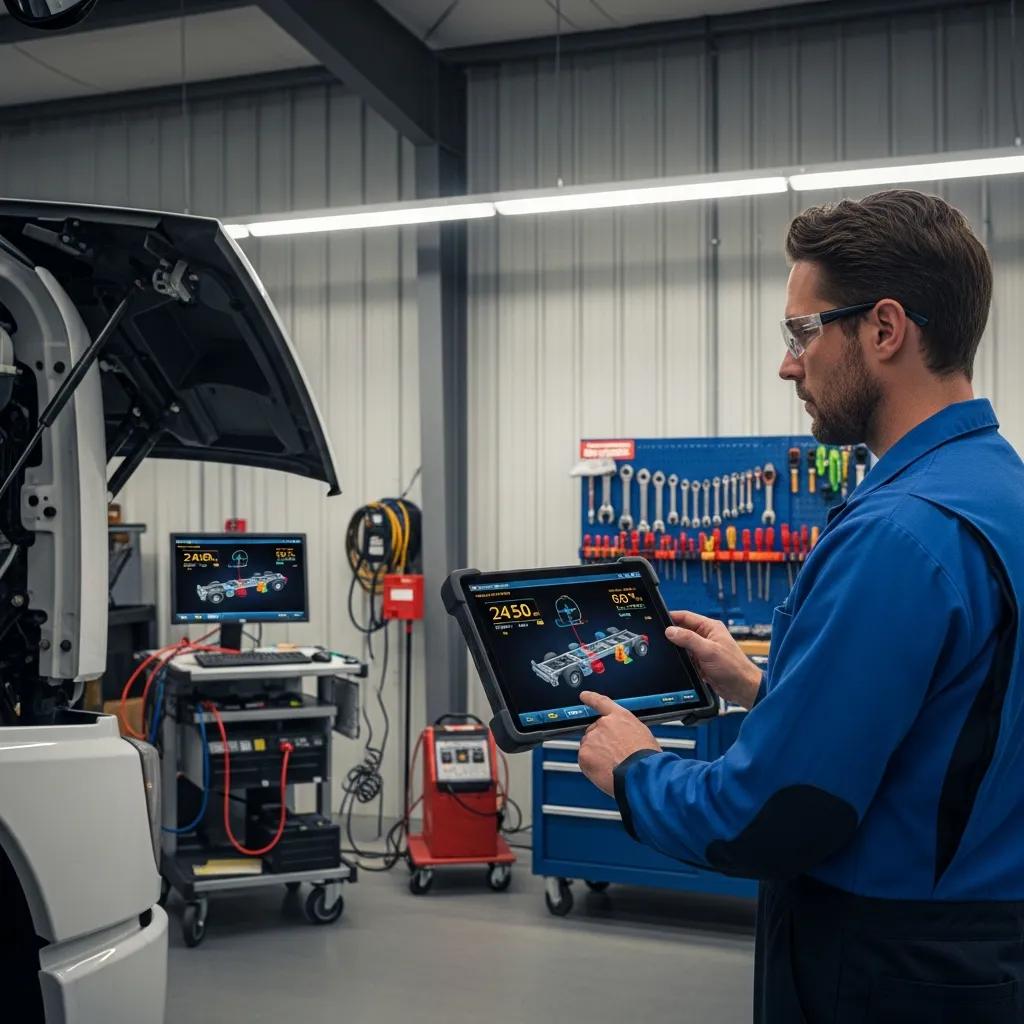
Advanced diagnostic tools accelerate repairs with real-time performance data and clearer fault identification. Effective tools include:
- Telematics Systems: Track location, engine data, and operational metrics to flag issues early.
- Onboard Diagnostics (OBD): Provide fast, specific engine fault codes to speed troubleshooting.
- Fleet Management Software: Centralises scheduling, work orders, and maintenance history for efficient planning.
These tools combine to shorten repair times and lower operating costs.
What Commercial Vehicle Maintenance Tips Maximize Efficiency and Cost Savings?
Efficient vehicle care blends routine checks, suitable technology, and driver engagement to reduce costs and improve uptime.
- Routine Checks: Inspect tyres, brakes, and fluids regularly to prevent surprises.
- Use of Technology: Fleet software helps track schedules and performance more accurately.
- Training for Drivers: Training promotes better handling, fuel economy, and early issue detection.
These practices help maximise fleet efficiency and reduce expenses.
How to Implement Real-Time Diagnostics for Fleet Management?
Real-time diagnostics require continuous performance monitoring; implement them using:
- Telematics Systems: Feed live vehicle health data for immediate responses.
- Mobile Apps: Deliver alerts and status updates to managers and drivers on the go.
- Data Analytics: Turn performance data into actionable trends and maintenance triggers.
Real-time insights let you fine-tune maintenance and prevent larger failures.
What Are Best Practices for Medium-Duty Truck Repairs?
Follow these essentials for medium-duty vehicle repairs, including Isuzu models:
- Regular Training for Technicians: Maintain technician skills on current systems and diagnostics.
- Using Quality Parts: Higher-grade parts reduce repeat failures and downtime.
- Documenting Repairs: Keep clear repair histories to inform future maintenance and warranty claims.
These measures improve repair efficiency and lower long-term costs.
How Can Case Studies Demonstrate Fleet Maintenance Impact on Cost and Downtime?
Case studies reveal measurable benefits from strategic maintenance, illustrating practical ROI and operational improvements.
What Recent Statistics Show ROI from Strategic Fleet Maintenance?
Studies indicate preventive maintenance can produce ROI ranging widely based on fleet and execution. Common outcomes include lower repair costs and more uptime; many fleets report notable reductions in unexpected breakdowns and related expenses.
How Have Local Fleets Benefited from Truck City Service Solutions?
Local fleets using Truck City Service solutions report improved efficiency and cost savings. Tailored schedules and advanced diagnostics reduced downtime and improved vehicle performance, with customer feedback confirming operational gains, particularly for light and medium duty trucks including Isuzu medium duty models.
Frequently Asked Questions
What role does technology play in fleet maintenance?
Technology provides real-time data (telematics), simplifies scheduling (fleet software), and supports predictive tools that flag issues before they escalate, all reducing downtime and cost.
How can driver training impact fleet maintenance costs?
Training improves driver behaviour—smoother acceleration, braking, and load handling—which boosts fuel efficiency, reduces wear, and helps drivers identify problems early.
What are the common challenges in implementing preventive maintenance?
Common hurdles are resistance to change, scheduling conflicts, and budget constraints for tools and training. Strong leadership and clear communication help overcome these barriers.
How can fleets measure the effectiveness of their maintenance strategies?
Track KPIs such as vehicle downtime, maintenance spend, frequency of breakdowns, fuel efficiency, and repair costs. Regular reviews reveal trends and improvement areas.
What is the importance of documentation in fleet maintenance?
Accurate records of maintenance, repairs, and inspections support planning, warranties, regulatory compliance, and continuous improvement.
How can seasonal changes affect fleet maintenance schedules?
Seasonal shifts change maintenance priorities—winter increases checks on heating, tyres, and batteries; summer focuses on cooling and A/C. Adjust schedules to match seasonal demands.
Conclusion
Strategic fleet maintenance yields clear cost savings and reduced downtime. Emphasise preventive maintenance, smart scheduling, and diagnostics to keep vehicles safe and reliable. Explore tailored solutions to optimise performance for your fleet, focusing on light and medium duty trucks, especially Isuzu medium duty models.